
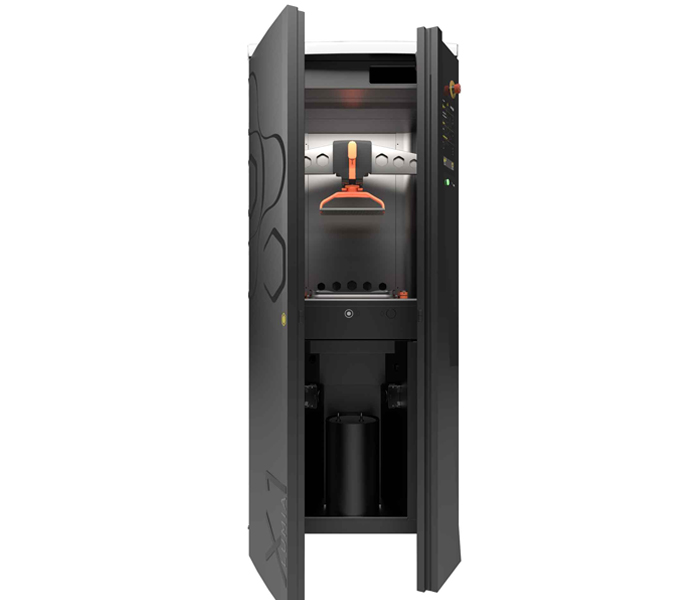
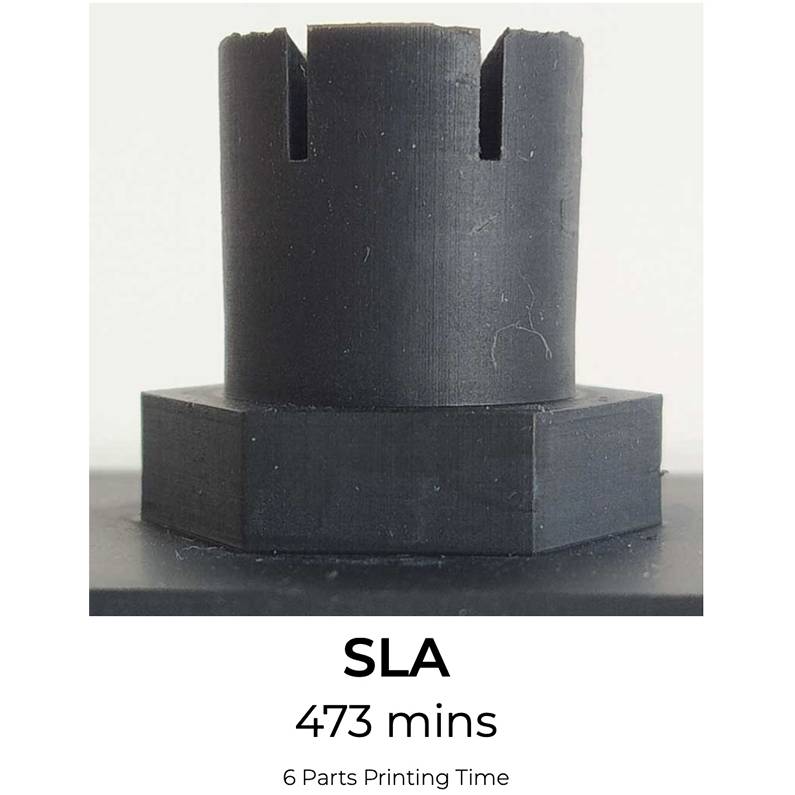
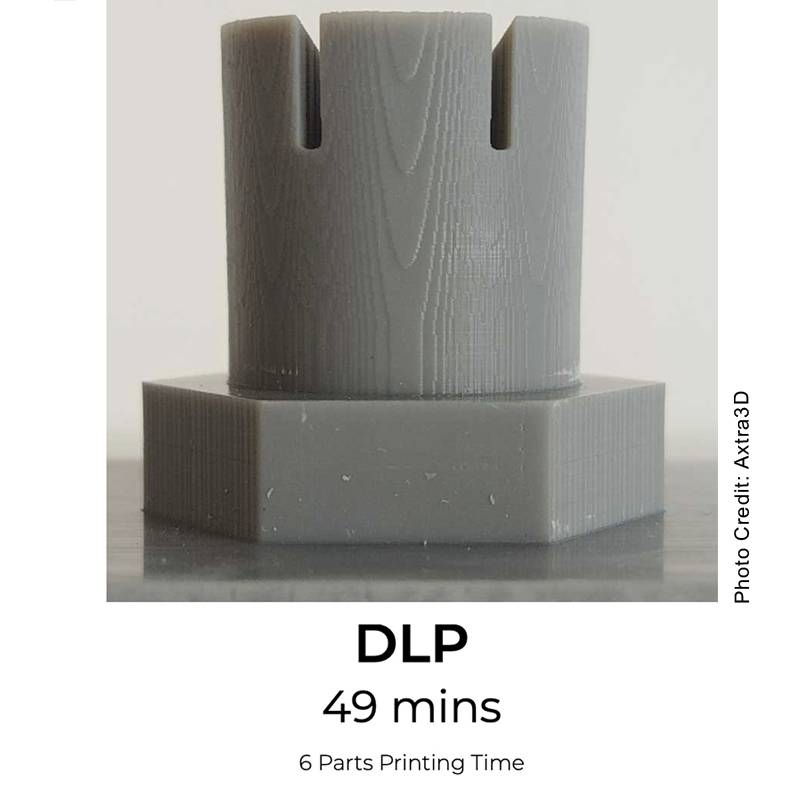
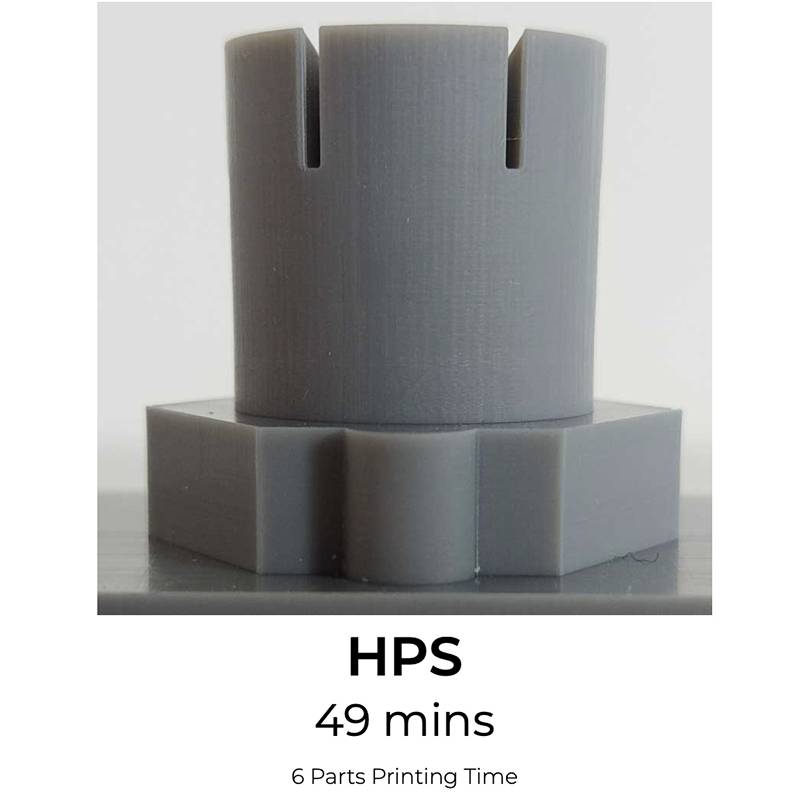
HPS™ Technology (Hybrid PhotoSynthesis™) in 3D printing is an advanced manufacturing process that combines multiple light-based curing methods to achieve faster print speeds and higher resolution without compromising on quality.
Polymer Additive
HPS™ / Hybrid PhotoSynthesis™
HPS™
This technology typically merges UV curing with other energy sources to ensure that each layer of the printed object is precisely cured and solidified, allowing for greater control over the material’s properties and improving the overall strength and detail of the final product.
Key Benefits of HPS™ Technology:
- Increased Print Speed: HPS™ accelerates the curing process, reducing production times while maintaining high-quality results.
- Enhanced Resolution: The technology allows for finer details and smoother surfaces, improving the quality of printed parts.
- Improved Material Properties: By precisely controlling the curing process, HPS™ ensures that the material achieves optimal mechanical properties, including strength and durability.
- Energy Efficiency: HPS™ uses targeted energy sources, minimizing waste and reducing overall energy consumption during the printing process.
TruLayer Technology
Exclusive TruLayer Technology redefines the printing process, offering a host of benefits that enhance productivity and performance. From rapid detachment of print layers to the ability to handle large and complex cross-sections, TruLayer ensures optimal print quality and reliability, every time.
- Rapid detachment of the active print layer from the vat membrane
- No limitations to the cross-sections being printed, including large and bulky cross-sections
- Non-degenerative vat membrane
- Ability to print highly viscous resins
Hybrid PhotoSynthesis™ and HPS™ are trademarks, and Axtra3D® is a registered trademark of Axtra3D, Inc. References to HPS™ technology are used strictly for cross-reference, process identification, and compatibility purposes. This website is not affiliated with, sponsored by, or endorsed by Axtra3D.