
Using MJF for Smooth Sailing
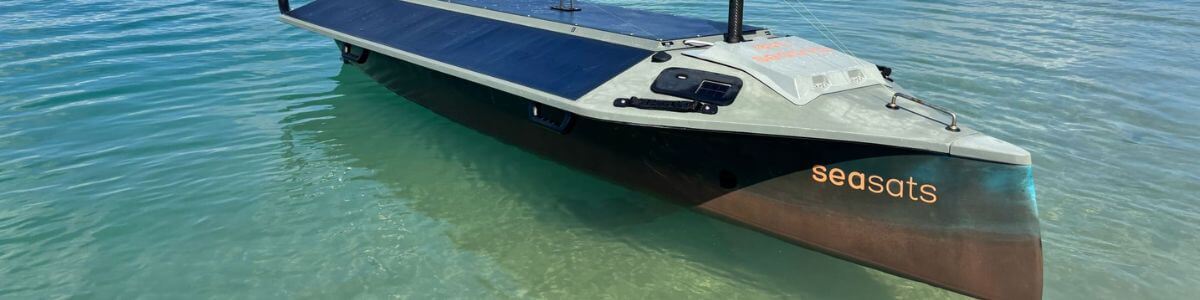
Much like drones in the sky, autonomous surface vehicles (ASVs) are becoming valuable aquatic tools for scientific research, national defense and commercial uses. ASVs can be sent on months-long expeditions without incurring the high costs or safety risks associated with manned missions. Seasats, a small manufacturer in San Diego, is on its own mission to meet a rising wave of demand.
Eliminating the Middle Man
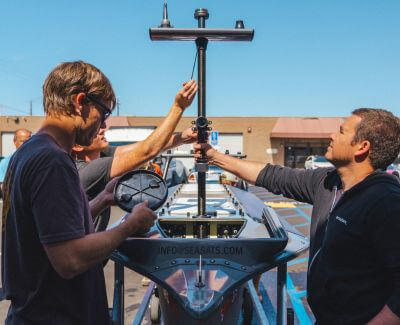
In the summer of 2023, Seasats approached Forecast 3D — now a part of ADDMAN Polymer — to start producing virtually every plastic part on its ASVs. At the time, the company was sourcing its parts through a third party. But to reduce costs, create greater efficiencies and reduce turnaround time, Seasats decided to order directly from a manufacturer. Finding a supplier willing to comply with their timeline and design demands had not always been easy. “We design a lot of our parts to be manufactured with the MJF (Multi Jet Fusion) process because we simply don’t produce enough parts to warrant injection molding or other processes that require capital-intensive startup costs,” said MacKenzie Wasson, Seasats project manager. However, Seasats found a supplier willing to act as a more proactive partner in Forecast 3D. “We can iterate much more quickly and create custom or one-off parts that still come out looking great,” said Wasson.
|
By eliminating a third-party components supplier, Seasats has been able to:
|
 |
Building A Partnership
Each Seasats ASV is about 11 feet long and requires 60+ MJF parts, including brackets, connectors and clamps that can be produced quickly and to specific customer needs. As a smaller manufacturer, Seasats found that other suppliers were unable or unwilling to produce in the quantities and timeframes they needed. However, Seasats found that Forecast 3D wasn’t just able to take on the demand, but willing to be more hands-on, even producing models of ASVs. Wasson said, “[Forecast 3D] has taken a real interest in what we do, visits our factory from time to time, and is always offering ideas to add value to our product.”
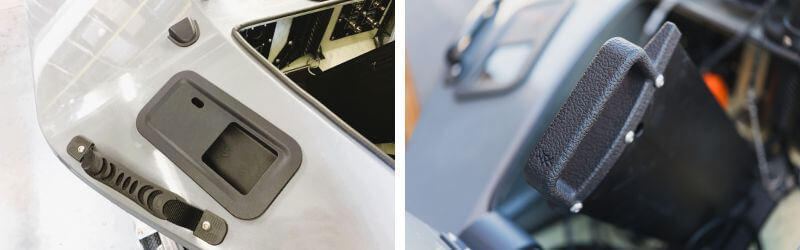
Over 60 parts on each Seasat ASV are made using MJF, including brackets, connectors, handles, or plate covers.
Timing is Everything
With numerous customers across fast-moving industries, Seasats frequently needs to adapt designs and respond to feedback. “On many projects, we have to move extremely fast to integrate payloads onto our vehicles,” said Wasson. Using MJF printing, the Carlsbad, CA ADDMAN facility can produce the parts Seasats needs with a one-day turnaround time. This allows their customers to install payloads on the vehicles and be out on the water within days.
Sailing On to Continued Success
| Seasats looks forward to continued innovation and efficiencies through its partnership with the ADDMAN team in Carlsbad, California. Currently, the Seasats is looking to integrate more textured parts into ASVs, exploring new designs and production methods. Wasson added, “It gives my engineering team the confidence and freedom to continuously iterate and drive product improvements, knowing that we can seamlessly get new parts into production.” | 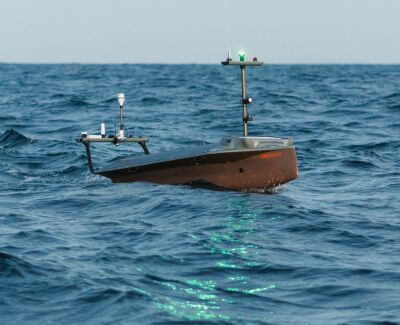 |
Increased productivity and durability
MJF printing has also allowed Seasats to increase the number of vehicles it can produce – and their durability too. The boats have gone on longer missions of up to 73 days, including two voyages from San Diego to Hawaii. “That was a great proof of concept for us,” said Wasson. He added that he expects to continue working with ADDMAN’s Carlsbad facility to ramp up production and expand the Seasats product line.